Thursday, 2 January 2014

Android Phone Fans

Android Phone Fans


Lenovo unveils 4 new smartphones for CES 2014 including Vibe Z with Snapdragon 800 CPU, titanium body, and 3,000mAh battery

Posted: 02 Jan 2014 06:18 PM PST

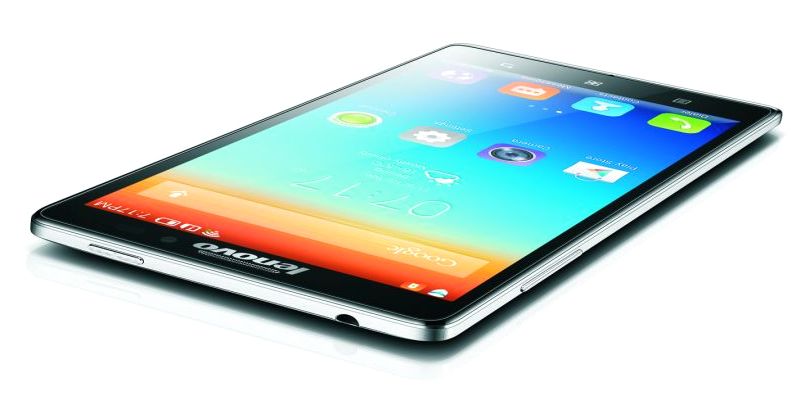
lenovo-vibe-z 1

Lenovo is coming in hot to Las Vegas, ready to introduce a handful of new Android handsets for CES 2014. Not to be outdone by Samsung (who’s been known to introducing an onslaught of Android handsets in various shapes/sizes) Lenovo is unveiling the Lenovo Vibe Z, Lenovo S930, Lenovo S650 and Lenovo A859. The most compelling of these devices is without a doubt the higher-end Vibe Z, Lenovo’s first smartphone to feature LTE radios. For an easy scanning, we’ve listed all the devices and their main specs below. Let’s see what we’re dealing with here.

Lenovo Vibe Z

lenovo-vibe-z 2

  • 5.5-inch 1080p display
  • Qualcomm Snapdragon 800
  • 2GB RAM / 16GB storage
  • 13MP camera with f/1.8 aperture / 5MP front facing wide angle camera
  • 3,000mAh battery
  • 7.9mm thin titanium body
  • Android 4.3
  • Price: $550

Lenovo S930

lenovo-s930_2-900-90

  • 6-inch 720p display
  • 1.3GHz MediaTek quad-core processor
  • 1GB RAM/ 8GB storage
  • Front facing speakers
  • Android 4.2
  • Price: $320

Lenovo S650

lenovo-s650

  • 4.7-inch qHD display
  • 1.3GHz MediaTek quad-core processor
  • 1GB RAM/ 8GB storage (available SD card slot)
  • Android 4.2
  • Price $230

Lenovo A859

lenovo-a859

  • 5-inch 720p display
  • 1.3GHz MediaTek quad-core processor
  • 1GB RAM/ 8GB storage (available SD card slot)
  • 8MP camera
  • Dual SIM card slots
  • Price: $220

All-in-all, it’s not a bad lineup. When it comes to availability, Lenovo says the Vibe Z will go on sale this February in Indonesia, Malaysia, Thailand, Saudi Arabia, United Arab Emirates, and the Philippines.

As for the other 3, expect similar availability with none being available outside these countries, at least at launch. However, Lenovo did mention plans to enter US, UK and Australian markets at some point in the near future.

I’m sure we’ll come across all these devices and more during next week’s CES coverage, so be on the lookout for that.

[TechRadar]

Snapchat responds to data leak, allows users to opt out of “Find Friends” feature

Posted: 02 Jan 2014 04:19 PM PST

Snapchat founder couch

The widely publicized Snapchat soap opera looks to finally be drawing to a close. After an Australian “security firm” published Snapchat’s API, allowing individuals to link up some user names with their phone numbers, Snapchat is now finally addressing these security concerns.

The security hole was made possible via Snapchat’s “Find Friends” feature which allows users to provide their phone numbers so that friends/family could easily find, and add them, on the service. Snapchat maintains this is still a worthwhile feature, and it’s not going anywhere. What Snapchat is tweaking is the ability for users to verify their accounts with phone numbers, but opt out of the Find Friends feature. This will come in a future update for Android and iOS.

More of an announcement than an actual apology, Snapchat maintains that no other personal information was leaked and your Snaps are safely secured in the cloud (where they’re deleted after being opened). To help address future vulnerabilities, Snapchat is now providing a handy email address: security@snapchat.com.

Pebble teases special announcement for CES 2014 – livestream kicks off Monday, January 6th

Posted: 02 Jan 2014 03:13 PM PST

Pebble_watch_email_1

Hitting Best Buy stores back in July, Pebble has come a long way since their humble beginnings as one of the first hugely successful Kickstarter projects. Apparently that’s not all the smartwatch startup has up their sleeves. Looks like Pebble has been keeping a few cards close to their chest, calling 2013′s reveals only a mere sample of things to come.

Today, Pebble is teasing a big announcement for CES 2014. There’s no hints as to what might be announced, but the event will be livestreamed with CEO Eric Migicovsky taking the stage this coming Monday, January 6th, at 11am. So what could Pebble have in store? A new and improved model with a quad-core processor and 8MP camera? Price reduction? New Colors? Stay tuned to Phandroid as we bring you the latest out of Las Vegas with our CES 2014 coverage!

Bump officially shutting its doors on January 31st, grab your data while you still can

Posted: 02 Jan 2014 01:53 PM PST

Google Bump

Back in September, it was announced that Google had bought Bump for an undisclosed amount. Makers of a wireless transfer application for Android/iOS, the future of the app on shaky ground. That being said, we had a feeling it was only a matter of time before the service would officially come to an end.

Today, Bump CEO David Lieb once again took to the company blog, announcing that both their Bump and Flock app will be removed from the appropriate app stores come January 31st. Don’t worry about your photos or anything else stored in the cloud. Bump is giving users the chance to download all their data before then before everything gets wiped clean from their servers.

Bump screenshots

But it’s not all bad news. With Bump now being absorbed into Google, we wonder if their proprietary tech wont soon be used to super charge Android Beam in a future firmware update. Remember, with Nokia suing the pants off of HTC for using NFC to Bluetooth data transfer, Bump’s technology might just be exactly what the doctor ordered.

Download on Google Play: Bump | Flock

Moto G arriving on Boost Mobile January 14th for $130, available now from HSN for $100

Posted: 02 Jan 2014 01:00 PM PST

Boost Mobile Moto G

Earlier today we saw the Motorola Moto G made official for Verizon Wireless prepaid, coming in at only $100. Now pay-as-you-go MVNO Boost Mobile is also jumping on the handset, offering the Moto G for $130 come January 14th (retail stores on 1/20).

For those that don't feel like waiting, you can snag the handset right now through the Home Shopping Network, who's even offering the G with a $30 mail-in-rebate. That’s basically $100 for a fully capable Android device, running on Sprint’s network. Not too shabby.

[Boost Mobile | HSN]

T-Mobile shook up the wireless industry in 2013, now they want to “transform” it in 2014

Posted: 02 Jan 2014 12:25 PM PST

t-mobile 2014

Everyone’s got New Year’s resolutions… even if you’re a big wireless carrier who waves a magenta flag proudly. On Twitter, T-Mobile’s CEO John Legere posted a photo of him checking off the company’s 2013 goals, including the following list of big happenings that went down:

  • End 2 year service contracts
  • End upgrade runarounds
  • Make the world your network — no extra charge
  • Unleash tables and give away free data for life
  • Deliver nationwide 4G LTE network

Pretty impressive list, Tmo. So what’s on tap for the year ahead now that they’ve “shaken up” the wireless industry? They want to “transform” it. Here’s the newest list of goals:

  • Continue to remove customer pain points
  • 4G LTE — go faster, go LOUD
  • Un-shackle the family from those other guys
  • Make waves at CES 2014
  • Give AT&T a break… or not

Interesting. There’s not much we can take from that particular list except for the fact that T-Mobile wants to continue to attack the status quo when it comes to family plans, improve their 4G LTE offering, and continue trolling AT&T on Twitter and in ads. We’re also reminded that the company plans to unveil unCarrier 4.0 at CES, an event we’ll undoubtedly look to cover.

New HTC M8 (One sequel) specs leak suggests 2GB of RAM instead of 3GB

Posted: 02 Jan 2014 11:31 AM PST

htc-m8

It’s been a while since we last heard the spec line for the HTC M8, otherwise known as the sequel to the HTC One. Earlier rumors suggested the device would have a Snapdragon 800 processor, 3GB of RAM, and a display anywhere between 5 and 5.2 inches. Thanks to @evleaks, those specs have been dialed in just a bit more. Here’s where they stand now:

  • 5-inch 1080p HD display
  • Snapdragon 800 processor (more specifically, the MSM8974)
  • 2GB of RAM
  • UltraPixel camera on the rear
  • 2.1 megapixel camera on the front
  • WiFi ac
  • KitKat with Sense 6.0

We were hoping the whole 3GB of RAM thing were true. To be fair, there’s still a chance it is — all of these rumors are just rumors until HTC comes out and gives us the details. Unfortunately we don’t yet know when to expect said details, but we have a feeling the Taiwanese company won’t let February go by without a peep.

Samsung Galaxy Camera 2 ups the Android camera ante

Posted: 02 Jan 2014 09:51 AM PST

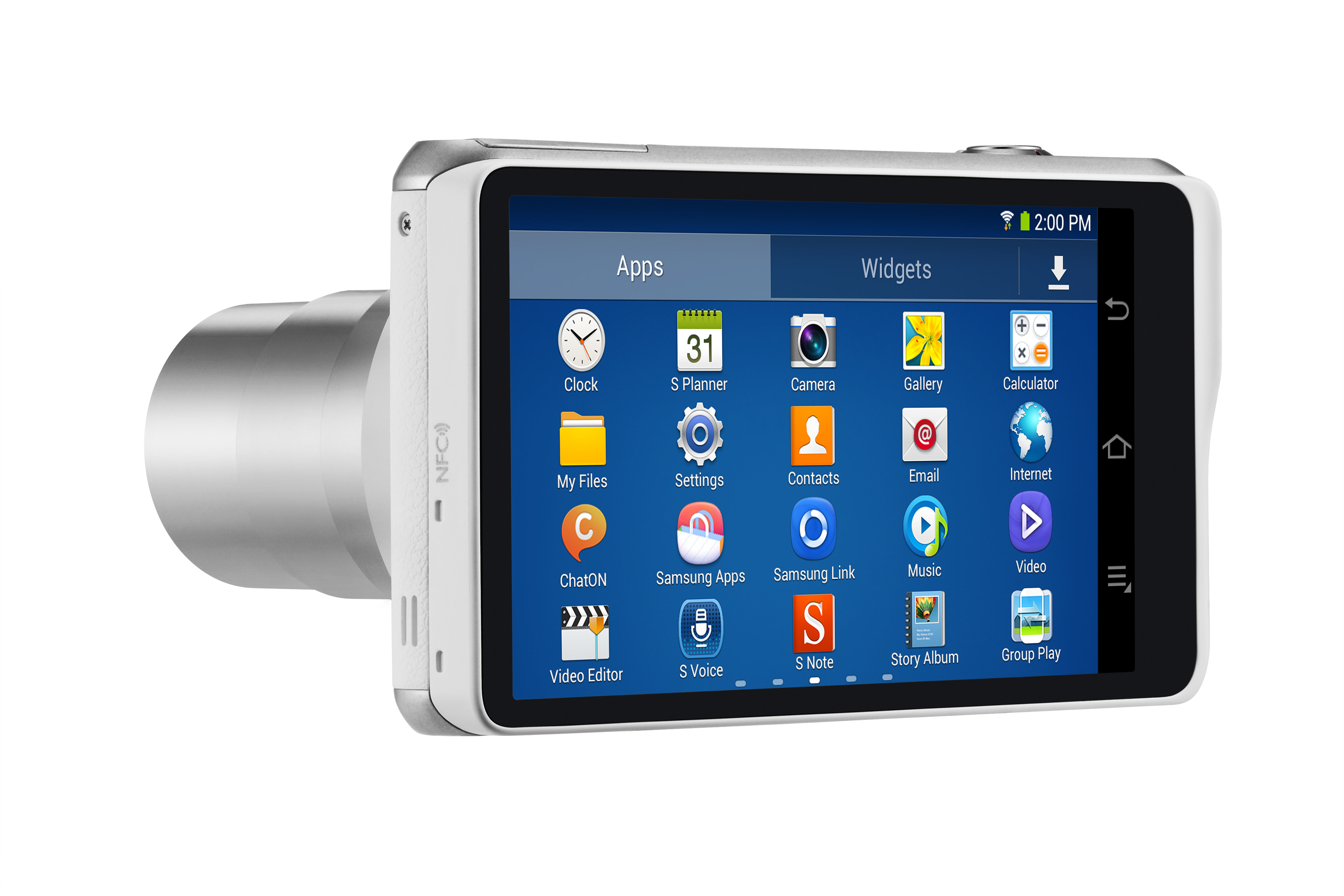
Galaxy Camera 2 8

In case you haven’t noticed, Samsung wants to have a presence in nearly every personal electronics category there is. The launch of the original Samsung Galaxy Camera tipped us off to that much, and now the South Korean company is bringing us a sequel that they hope will do just as well as their phones will. So what does this thing have over the original? Here’s a quick tale of the tape:

  • Image Sensor: 16.3 effective megapixel 1/2.3″ BSI CMOS
  • Lens: 21x Optical Zoom Lens, 23 mm Wide Angle, F2.8(W) ~ 5.9(T)
  • IS: OIS
  • Display: 121.2mm (4.8-inch), HD Super Clear Touch LCD Screen
  • ISO: Auto, 100, 200, 400, 800, 1600, 3200
  • Application Processor: 1.6GHz Quad Core Processor
  • OS: Android 4.3 (Jelly Bean)
  • Memory: 8GB Internal memory (User memory approximately 2.8GB) + microSD slot (up to 64GB) 2GB RAM
  • Image: JPEG format 16M, P14M, 12M Wide, 10M, 10MP, 9.2M Wide, 5M, 3M, 2M Wide, 1M
  • Video: MP4 (Video: MPEG4, AVC/H.264, Audio: AAC) Full HD 1920×1080 /30fps, 1280×720 /60fps, 1280×720 /30fps, 640×480 /60fps, 640×480(30fps), 320×240(30fps) Multi Motion Video 768 x 512 (WVGA, x1/8, x1/4, x1/2, x2, x4, x8) /120fps
  • Audio Format: AVI, MP4/3GP, WMV, FLV, MKV, WEBM

Of course, Samsung is banking on the image manipulation and photo sharing features they can provide with the power of Android and TouchWiz, highlighting things like Photo Beam, Mobile Link and more for sharing your photos and videos with family and friends. Creative photo tools include Smart Mode — a collection of 28 presets for capturing the right scene with the right settings — Selfie Alarm, Multi Motion video and more.

Galaxy Camera 2 B 8 Galaxy Camera 2 B 7 Galaxy Camera 2 B 6 Galaxy Camera 2 B 5 Galaxy Camera 2 B 4 Galaxy Camera 2 B 3 Galaxy Camera 2 B 2 Galaxy Camera 2 B 1 Galaxy Camera 2 8 Galaxy Camera 2 7 Galaxy Camera 2 6 Galaxy Camera 2 5 Galaxy Camera 2 4 Galaxy Camera 2 3 Galaxy Camera 2 2 Galaxy Camera 2 1

Pricing and availability information has yet to be disclosed, though we might learn more once we head to CES next week to see the new camera for ourselves.

[via Samsung]

Verizon Moto G already available at Best Buy for $100

Posted: 02 Jan 2014 08:46 AM PST

It’s been a few short days since we’ve heard that the Verizon Moto G could be sold for $100 off-contract, but it didn’t take long for Best Buy to confirm that (and to put the thing up for sale). Folks are reporting that Best Buy stores are starting to receive Verizon’s version of the device, and that it is indeed being offered at that $100 price point.

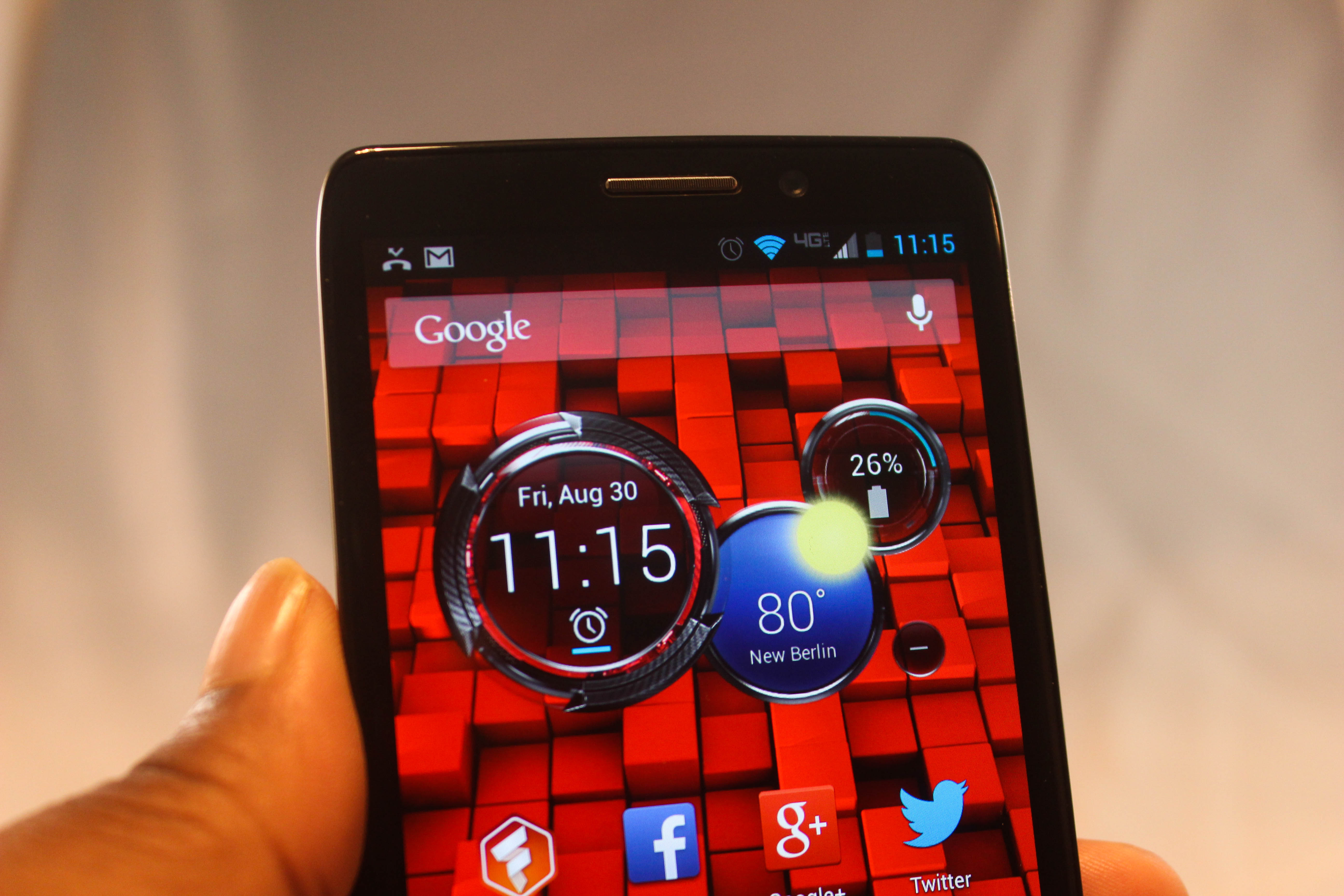
motorola moto g press render

The Moto G doesn’t have 4G LTE, of course, meaning any prospective buyers will need to put up with Verizon’s CDMA 3G network for data. That network isn’t exactly the bee’s knees in this day and age, but there’s not much complaining to do for just $100.

The Moto G has already started getting its Android 4.4 KitKat upgrade, which is a pretty big deal considering a ton of other phones have yet to receive that same love. Data concerns aside, $100 for what’s essentially a mid-range device is a pretty damned good deal. Here’s what you can expect for the price:

  • 4.5-inch 1,280 x 720 display
  • 1.2GHz quad-core processor (Qualcomm Snapdragon 400)
  • 1GB of RAM
  • 8GB of internal storage
  • 5MP rear camera
  • 1.3MP front camera
  • 2,070mAh battery
  • Dimensions: 130 x 66 x 6-11.6 mm
  • Weight: 143 g

Not a bad list, eh? Be sure to call or pop into your nearest Best Buy to see if you can pick one up.

[via Engadget]

Snapchat hackers release 4.6 million names and phone numbers — see if yours was on the list

Posted: 02 Jan 2014 07:50 AM PST

In case you haven’t heard, Snapchat has been the victim of a group of hackers over the new year. According to a statement received by TechCrunch, the hackers have made available more than 4.6 million user names and phone numbers tied to the service. The group responsible claims their actions weren’t taken for the sake of it (or for the lulz, as some of these folks would call it).

Snapchat for Android update

Their goal was to expose an exploit that Snapchat has supposedly ignored. The group claims to have warned Snapchat on several previous occasions, but Snapchat failed to take heed. They hope that the result of this episode is to get Snapchat to take privacy and security more seriously, which isn’t a terrible proposition considering the service is supposed to be built on the very promise of privacy and security.

So how do you know if your account details have been compromised? The folks at Gibson Sec got their hands on the leaked info, and decided to put it into a database for anyone to look up. Simply search for your Snapchat username at this link, and it will tell you whether or not your information was stolen.

It’s a good thing that Snapchat doesn’t require a ton of information to make an account as only usernames and phone numbers have been put out into the open. While that’s still scary business, most people would consider that information harmless.

Regardless, it’s an exploit that Snapchat is going to have to patch up if they’re going to continue to win the confidence of those who value security and privacy. Be sure to read on for the group’s full statement.

Our motivation behind the release was to raise the public awareness around the issue, and also put public pressure on Snapchat to get this exploit fixed. It is understandable that tech startups have limited resources but security and privacy should not be a secondary goal. Security matters as much as user experience does.

We used a modified version of gibsonsec's exploit/method. Snapchat
could have easily avoided that disclosure by replying to Gibsonsec's private communications, yet they didn't. Even long after that disclosure, Snapchat was reluctant to taking the necessary steps to secure user data. Once we started scraping on a large scale, they decided to implement very minor obstacles, which were still far from enough. Even now the exploit persists. It is still possible to scrape this data on a large scale. Their latest changes are still not too hard to circumvent.

We wanted to minimize spam and abuse that may arise from this release. Our main goal is to raise public awareness on how reckless many internet companies are with user information. It is a secondary goal for them, and that should not be the case. You wouldn't want to eat at a restaurant that spends millions on decoration, but barely anything on cleanliness.

Nokia Normandy not dead after all?

Posted: 02 Jan 2014 06:24 AM PST

When we first heard of the Nokia Normandy, a low-cost Android phone by a company who swore never to make an Android phone., we thought it was dead on arrival. Why, you ask? Because it ran Android. And because Nokia is now owned by Microsoft.

nokia normandy


We imagined it’d be a cold day in hell before we ever saw Nokia use Android for one of their handsets again, which had everyone writing the Normandy off as a dead skeleton in a pretty cold closet.

But @evleaks is giving folks reason to believe that the device shouldn’t be written off. The Twitter leakster took a break from his typical image-posting affairs to make a word-ridden statement:

The reports of Normandy’s death have been greatly exaggerated.

In typical @evleaks fashion, that line has us just as clueless as we were before. That doesn’t necessarily tell us that the device is, in fact, launching at some point soon, but it does seem to suggest that we haven’t heard the last of it.

It would explain why we’ve seen more and more leaked renders of the Nokia Normandy in recent weeks despite Nokia being full-steam ahead in its quest to come up with crazy Windows phones and tablets. That said, folks should know that plans can always change in the blink of an eye, so if this “great exaggeration” is true, it doesn’t say anything about the future of the Normandy.

Moto X off-contract price permanently cut to $399

Posted: 02 Jan 2014 05:33 AM PST

moto-x-featured-LARGE

How did Motorola spend its new year? Why, by significantly cutting the price of the off-contract Moto X, of course. The company announced that the Moto X now starts at $399 on al US carriers, even if you get a Moto Maker-made edition.

The only other time you could have gotten the Moto X for cheaper is when Motorola handed out $150-off promotion codes in their holiday deals bonanza (which made the cheapest Moto X just $350). While the price tag still isn’t quite as sweet as the everyday tag of the Nexus 5, the Moto X has proven to be a capable phone deserving of a lot of attention.

It’s a pretty solid device that excels in areas of user experience, battery life, and — for a fresh change of pace — timely upgrades. It was one of the first Android devices to receive Android 4.4 KitKat, and Motorola says we can expect more of that commitment throughout the device’s natural life cycle. Being able to get it for as low as $399 makes it that much better. Head to Motorola’s site to get started.

Gizmo's Freeware: What is “Freeware”?

Gizmo's Freeware: What is “Freeware”?

Link to Gizmo's Freeware: Top selections

What is “Freeware”?

Posted: 01 Jan 2014 12:26 AM PST

Just what are people interested in right now in the world or just in your country? Well these two sites may help you to find out:

Gizmo's is all about freeware but just what is "freeware"? Not everybody means the same thing when they tag some piece of software as "freeware". You will often see something labeled freeware when it really isn't. In this article, I will describe various kinds of software that are often called freeware and try to clear up some of the confusion.


http://www.techsupportalert.com/content/what-freeware.htm

Wednesday, 1 January 2014

Android Phone Fans

Android Phone Fans


Android 2013 Year-in Review : the year’s top stories, devices, and more!

Posted: 01 Jan 2014 12:59 PM PST

It’s been a very interesting year in Android land. We saw a lot of bold moves and stances taken by the world’s OEMs, a lot of new players broke ground, and Google made the moves necessary to keep Android as interesting and fresh as we could ask for. Now that the year has come to a close, we thought it’d be interesting to take a look back on all of that. It’s the big Android year-in review!

Phones Galore

We saw a ton of great new Android devices launch this year, with the likes of Samsung, HTC, Motorola, LG and more all stepping their game up and working to stiffen the thought that Android can and should be providing premium experiences at every turn. Whether it was with a phone or a tablet, or a smart watch and Google Glass, Android’s versatility has shown no known boundaries.

Motorola on the rise

Motorola’s comeback attempt put the company in a brand new light. Whether they just wanted to impress their new owners (see: Google) or genuinely change people’s perception about mobile devices, it was important for Motorola to introduce a product line that would make a lot of noise.

Many originally thought Motorola would look to do this with a series of devices unmatched by any other in terms of specs, but we quickly found out that wasn’t the case. Moto wasn’t interested in 1080p, 6-inch displays, or quad-core processors. Instead, they wanted to make sure they combined solidly built hardware with a user experience that wasn’t going to bog things down.

moto-x-featured-LARGE

What they came up with was nothing short of blissful, and it was named the Moto X (read our official review). The Motorola X8 computing system allowed them to introduce great features such as Touchless Controls and Active Notifications without sacrificing battery life. The 720p display wasn’t quite as sharp as, say, a 1080p display, but the quality made it look just as crisp and clean as any other.

And their lack of deep user interface customization meant the dual-core processor inside (which was of high quality Krait-based silicon, by the way) would be able to handle anything you throw at it with ease.

All of this was extended to Verizon’s exclusive DROID lineup, which included the likes of the Motorola DROID Maxx, Motorola DROID Ultra, and the Motorola DROID Mini (review of the former two here). The former-most device in that bunch made considerable noise with its wireless charging capabilities and 3,500mAh battery, delivering 48 hours of battery life that has become invaluable for so many of its users.

DROID MAXX-15

But not everyone was sold on all this until something great happened — Motorola was actually able to beat Nexus devices to KitKat. Moto X users got the upgrade before anyone else (well, everyone except Nexus 5 users, of course). The DROID lines came a bit later, but it wasn’t long before they were breaking off a piece of that, as well.

Let’s not forget the Moto G, the sub-$200 device that provides quite the decent user experience. Pound-for-pound and dollar-for-dollar it’ll be hard to find a device that can offer the same combination of power and affordability. Suddenly, Motorola has found themselves the bearer of one of the most interesting stable of devices in the game.

HTC One family — HTC’s “one” and only focus

HTC took a similar stance to Motorola, and vowed to focus on just a few key devices over the course of the year. Sure, they had a couple of Desire phones for mid-range and entry-level fillers, but the HTC One, One Max and One Mini were HTC’s “One” and only focus. As lame as that play on its name was, that’s what happened.

HTC One rocks

We’d fully credit HTC’s transformation with the HTC One (review right here), but the company showed flashes of this stuff way back in 2012, when the “original” One series launched. Confusing, right? But they took everything they learned that year, and simply perfected it in 2013. What they were able to accomplish was a beautiful, powerful device that has proven it can stand the test of time.

The HTC One Max wasn’t quite as delectable as we thought it’d be, but its fingerprint scanner did bring a unique flare, and phablet fans who also happened to be HTC One fans found themselves with a perfect device. It wasn’t enough to overcome Samsung’s performance on the charts, but it kept HTC on the right path which will hopefully set up an even more fruitful year in 2014.

Samsung Galaxy S4 and Note 3 — pushing the limits

Samsung once again proved their worth in the smartphone arena. They did so by introducing the Samsung Galaxy S4, a 5-inch 1080p device that did almost everything right. Most people thought the Samsung Galaxy S4 was only an incremental upgrade when put up against the previous year’s offering, and that was fair — Samsung didn’t really pull out all the stops like they’re known to do. Those deets can be had in our review.

galaxy-note-3-multiwindow

And then came the Samsung Galaxy Note 3 (read the review). Like its predecessor, the Note 3 outdid not only itself, but pretty much every device on the market. While its 5.7-inch 1080p display wasn’t the right fit for a lot of people, those who can put up with the size were also treated to some pretty crazy internals.

It had 3GB of RAM, a Snapdragon 800 processor, and even microUSB 3.0 — who does that?! It was ridiculous, and Samsung didn’t have a single issue capturing the attention of pretty much everyone in the industry with this knockout.

Nexus and the Google Play Edition program

A year in Android wouldn’t be a year in Android without new Nexus devices, and we got a couple of great ones this year. The launch of the new Nexus 7 with its Snapdragon S4 Pro processor was great, and its $230 price tag didn’t hurt.

Nexus 5 speaker mic

The same could be said for the ultra powerful Nexus 5 and its $350 price tag, which we reviewed right here. That amount got you a 5-inch 1080p phone with a Snapdragon 800 processor, 2GB of RAM, and more. It’s a bit more oomph than we’re used to in Nexus devices. It also was the first device to launch with Android 4.4 KitKat (which we’ll talk about a bit later).

Google added a good deal of new devices to their Google Play Edition program as well, which delivers popular, powerful smartphones (and tablets) with the pure Google experience. While these devices haven’t always lived up to their original hype — updates don’t come quite as fast as they do for Nexus devices — it’s still been a joyful ride. Here’s a quick list of the devices currently available:

  • Samsung Galaxy S4
  • HTC One
  • Sony Z Ultra
  • LG G Pad 8.3 (tablet)

All of them are sitting in the Google Play Store, natch.

Oppo N1 — breaking new ground

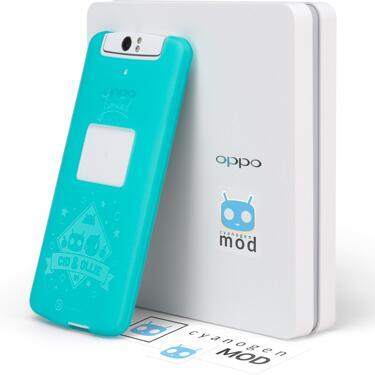
The Oppo N1 wasn’t an exciting device on its own, although we did think the swivel camera was pretty cool and unique. One cool and unique thing often isn’t enough to catch our attention, though. What did capture our interests was the fact that the Oppo N1 would be the first device to come with official CyanogenMod support.

oppo-n1-cyanogenmod

It’s quite unheard of in this day and age, but perhaps it’s the beginning of a movement that will see more OEMs open their arms to custom ROM support. Not only does Oppo support flashing of the ROM, but they also sell a special CyanogenMod edition of the phone with the software pre-installed (as well as other goodies to look forward to).

We never thought we’d see the day an aftermarket development team would partner with an actual OEM, but the day has come and the train won’t stop here (more on that later).

LG G2 and LG G Flex — Hero devices for a struggling brand

LG found themselves at the end of some harsh jokes its first few years in the smartphone game, but the South Korean technology giant decided to turn things around in 2013. The transformation began in 2012 with the original LG Optimus G, really, but it wasn’t until LG dropped the “Optimus” moniker and brought the LG G2 that we really started to take notice. Edgar drooled all over the thing in his review.

lg-g2-4

While the company still has some growing pains to overcome — particularly in the software department — they have shown that they are capable of delivering beautiful, capable pieces of hardware.

The LG G2 wasn’t even the most interesting device in the company’s lineup this past year, with the virtually indestructible build of the LG G Flex turning quite a few heads. I mean, come on — you can take a steak knife to this thing and it won’t even flinch. That’s hardcore stuff. LG has given themselves a pretty solid based to build on heading into the next year.

Android 4.4 KitKat

This year marked the launch of the first major version of Android since Android 4.1 Jelly Bean. We all thought the name for the “K” dessert was going to be Key Lime Pie, but Google threw us a pro-like curve ball when they announced that it would actually be Android 4.4 KitKat. This marked the first time that an Android version codename has used the name of a commercial product.

The result was one of the most fruitful advertising campaign in KitKat’s history. Every day and every week leading up to the launch of KitKat and the Nexus 5, the company — and Google — would drop little teasers to keep folks on edge. They even held a big golden ticket-esque contest that had thousands of people winning the 2013 Nexus 7 from specially marked packages of KitKat bars.

android-kitkat

Novelty aside, Android 4.4 KitKat was actually a pretty big update. Host card emulation for NFC-equipped devices meant anyone could use tap-to-pay no matter what carrier restrictions are in place.

The new Android runtime — dubbed ART — was introduced for the first time, giving us a runtime that would look to bring us faster app performance and considerable savings on resources such as battery life (although it still isn’t ready to knock Dalvik off just yet). It’s also the first Android version to natively support translucent system drawables and emojis. You can read about everything KitKat has to offer right here.

Chromecast

When Google announced the 2013 Nexus 7, we weren’t expecting them to drop another little nugget that would turn out to be Time’s best gadget of 2013 — the Chromecast (here’s our review, in case you missed it). This little media streaming dongle shook the world up with a simple proposition: stream your content from your mobile device or PC to your TV over a WiFi connection, with ease and without fuss.

Chromecast Featured ready to cast

It’s so simple that there’s not much more to say about it. The $35 price point for said functionality was a no-brainer for most people, especially considering some of the earliest Chromecast deals offered up extended Netflix trials.

Google recently made a big push to bring even more apps to Chromecast, making it a very versatile media streaming device for almost any need. Just imagine what it’ll be like once they open up the official APIs to everyone.

Smart Watches and Google Glass

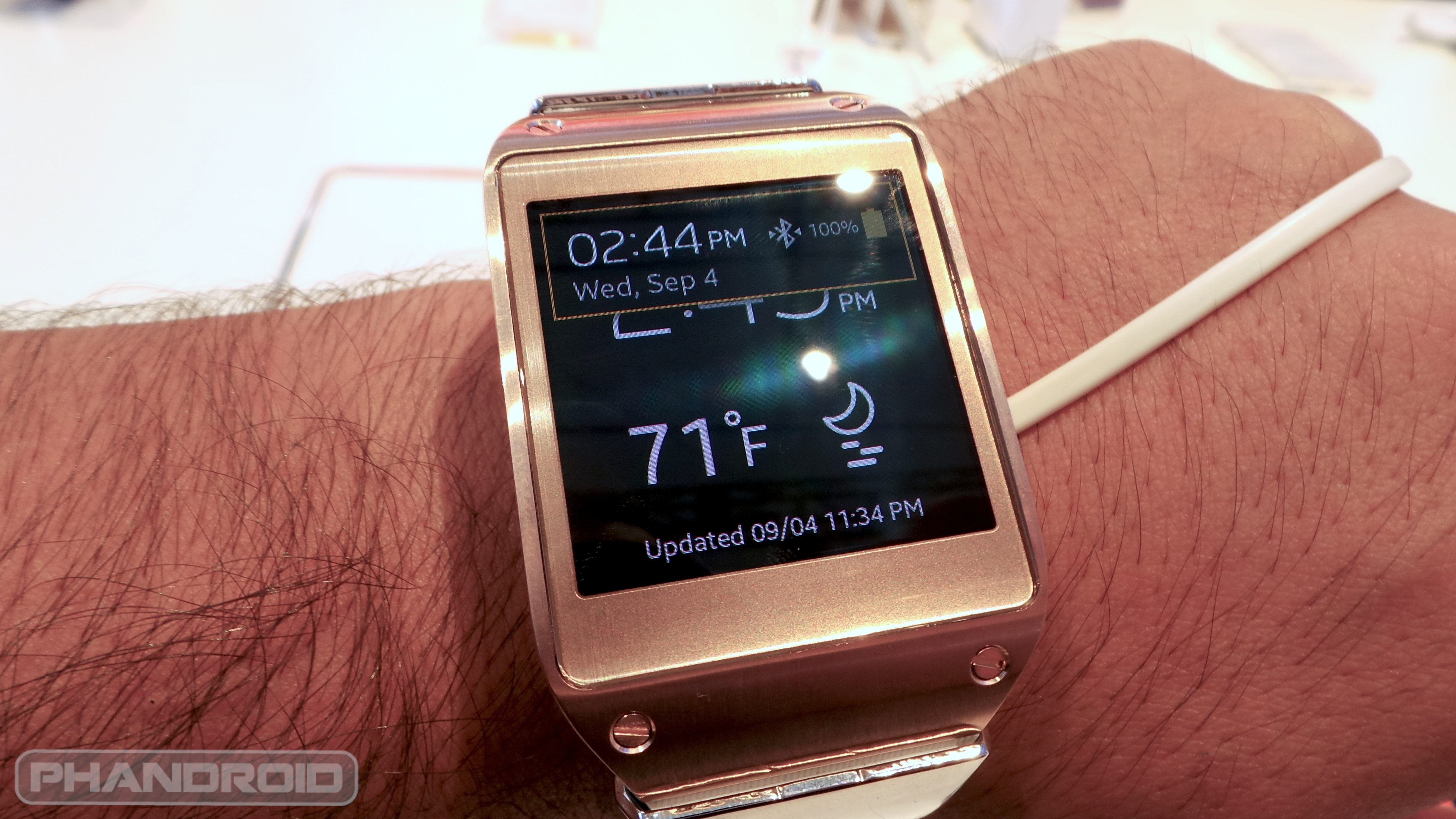
2013 was a very interesting year for smart watches. We saw Sony launch the second generation of the SmartWatch. Pebble rocked the world with a hugely successful Kickstarter campaign (culminating in the device being available at many popular retail destinations today), and Samsung finally threw their hat into the arena with the Samsung Galaxy Gear (though that particular offering wasn’t as sweet as we originally thought it’d be).

Samsung galaxy gear on wrist

Qualcomm also turned heads with the launch of the Toq, a Mirasol-equipped smart watch that introduces a lot of quirky, fresh ideas. The price of that particular item turned many folks away, but Qualcomm deserves recognition for moving smart watches forward. Be sure to take a look at our quick hands-on of the device from earlier in the year.

There are rumors that even more major players will be looking to break into the smart watch game next year, with the big dogs in tech — Google, Apple, and (by way of Nokia) Microsoft — looking to introduce products of their own. Google’s offering is said to be driven by the power of Google Now, the sometimes creepy “I always know what you want to do, what you need to see, and where you need to go” information service that is featured on Android today.

Chris-Chavez-Google-Glass-wm

Of course, smart watches weren’t the only wearables that gained a lot of steam last year. Google Glass made some huge strides. Tons more developers and tinkerers were invited to join the Glass Explorers program, which means tons more apps were made available.

While the $1,500 price tag is still off-putting to many, Google created a product compelling and exciting enough to get a good stable of developers cooking apps up for it. That should prove to be crucial to the device’s success once it goes on sale to the general public in 2014.

Early upgrades for everyone

The wireless industry in the United States unanimously adopted a new trend: early upgrades. Verizon’s Edge, Sprint’s One Up, T-Mobile’s JUMP! and AT&T’s Next all introduced new upgrade paths that would allow frequent hoppers (that is, those who just have to have the latest and greatest) to get new phones at breakneck pace.

tmo vs att vs vzw

While not all of these options were financially beneficial to the consumer (with the exception of T-Mobile, and — to a degree — AT&T), we’re grateful to have them.

Grassroots dreams come true

When CyanogenMod first began on its course years ago, no one could have imagined it’d reach the peak that it did in 2013. The custom ROM reached a point of popularity so significant that it moved the team to create an actual company. Incorporation for a small after-market development team might have seemed like a crazy thought just a few short months ago, but the CyanogenMod team showed us that anything can happen.

Cid CM

This wasn’t just some publicity move, either — short after incorporation, the team managed to attract big bucks from big investors. The latest round of funding saw them rake in over $22 million, which should be a nice source of capital for their first big project: an official CyanogenMod phone, built from the ground-up with CyanogenMod in mind.

Though we haven’t been given more details than that, murmurings suggest that phone will be built in conjunction with the new company ex-Oppo VP Pete Lau formed — OnePlus. If you thought the Oppo partnership was big, then you haven’t seen anything yet.

 What will 2014 bring?

And that’s a wrap! We’ve already crossed the line into the new year, and we can’t wait to see what 2014 has to bring us. The first major movements in tech should be going down within the next few days, with the big dance known as CES in Las Vegas right around the corner.

We’re gearing up to head out there and bring it all to you live, so be sure to circle back for coverage on all things Android starting January 6th. Let us know some of your favorite developments from the past year, and be sure to let us know what you hope to see happen in 2014 in the comments section below!

Happy New Year from Phandroid!

Posted: 01 Jan 2014 10:12 AM PST

celebrate-happy-new-year-wallpaper1

It’s 2014! We’re not sure why folks get so excited to see the calendars turn, but we’re not mad at yet another reason to party. Enjoy the day, and  be sure to spend some time thinking about how you want the next year of your life to unfold. PS: I spiked the punch. Try not to have too much. ;)

Use the official P90X app to meet your 2014 New Year’s weight loss resolution

Posted: 01 Jan 2014 04:00 AM PST

p90x app

Everyone’s bound to have a new year’s resolution or two that they plan to tackle in 2014. There are a lot of cliche ones — stop drinking, stop smoking, stop being awesome, etc. But the most cliche of them all — lose some weight and get into shape — will likely be at the top of many of your lists. There are a ton of weight loss apps out there that can help you do this, but if you are looking for something a bit more extreme, there’s a perfect app out there for you.

The official P90X app is out in the Google Play Store if you haven’t heard, and it’s there to be your one-stop companion app for all things P90X. You can get information, instructions, and tracking for all the workouts you care about on the go.

It’s meant to go along with the P90X DVD program, though you can purchase individual workouts within the app at $6.99 a pop. You can also get 5 of the most popular and important workouts for $30, or get the whole kit and kaboodle for a cool $60. If you decide you want the full DVD experience later on, ordering it through the app will get you free shipping on your order.

The app itself costs $2.99 in the Google Play Store — hey, we never said working out was going to be cheap (though it can be if a convenient app like this one isn’t your cup of tea). If you’re sold, you can jog over to the Google Play Store and give it a download.